Introduction
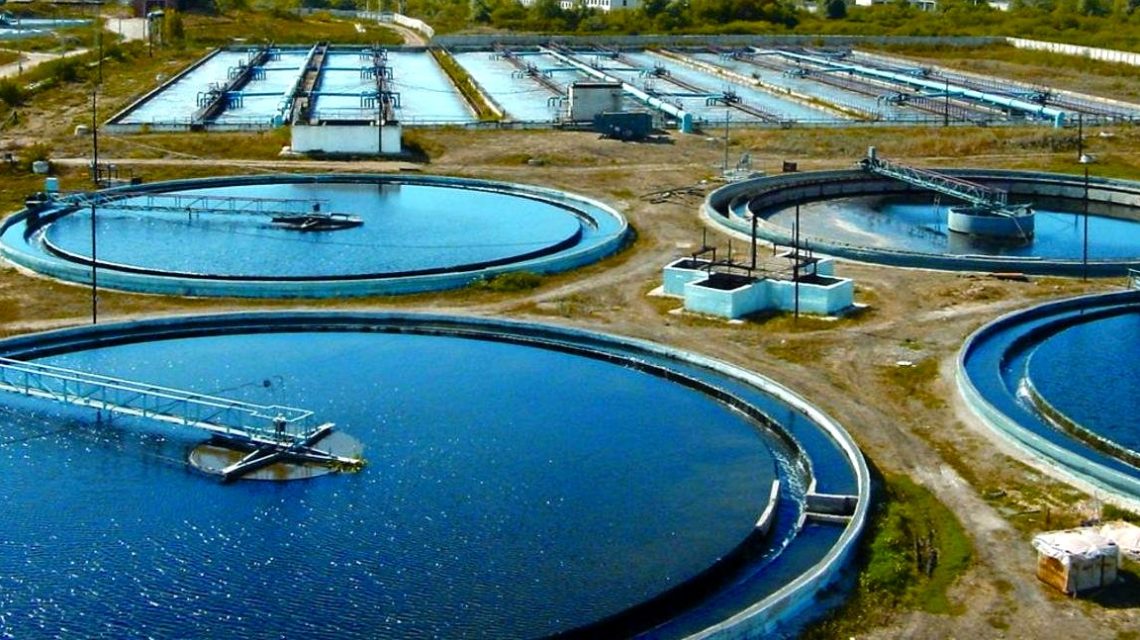
Wastewater treatment plants worldwide generate vast amounts of activated sludge, a byproduct of the biological treatment process. Excess activated sludge (EAS) poses significant environmental and economic challenges, as its disposal can be costly and harmful to ecosystems. Traditionally, sludge disposal methods have included incineration, landfilling, and direct application to agricultural land, all of which come with drawbacks such as greenhouse gas emissions, land use issues, and the potential for pathogen contamination.
Recent advancements in plasma-activated water (PAW) technology present an innovative solution for the valorization of excess activated sludge. PAW, known for its potent biocidal properties, is capable of inactivating and destroying a wide spectrum of microorganisms present in the sludge. This treatment not only ensures the safety of the sludge for subsequent use in agriculture but also allows for the recovery of valuable nutrients, thus transforming waste into a resource.
Plasma-Activated Water: A Green Technology for Sludge Treatment
Plasma-activated water is produced by exposing ordinary water to cold atmospheric plasma, which generates reactive oxygen and nitrogen species (RONS). These species are responsible for the strong biocidal action of PAW, making it an effective tool for sterilization and microbial inactivation.
The key benefits of plasma-activated water in the treatment of excess activated sludge include:
- Broad-Spectrum Antimicrobial Activity: PAW effectively inactivates a wide range of pathogens, including bacteria, viruses, fungi, and parasites. This ensures that treated sludge is free from harmful microorganisms, meeting stringent safety regulations for agricultural use.
- Non-Toxic and Environmentally Friendly: Unlike chemical disinfectants that can leave toxic residues, PAW breaks down into harmless byproducts (e.g., water and oxygen), making it a sustainable and eco-friendly treatment option.
- No Need for Harmful Chemicals: Plasma-activated water eliminates the need for chemicals such as chlorine or heavy metal-based biocides, which are often used in conventional sludge treatment processes and pose risks to human health and the environment.
Valorization Process: Step-by-Step Treatment of Sludge with PAW
- Collection of Excess Activated Sludge: The first step in the valorization process is the collection of excess sludge from wastewater treatment plants. This sludge contains not only microorganisms but also organic matter and nutrients, which can be beneficial if properly treated.
- Plasma Activation of Water: Ordinary water is subjected to plasma activation to generate reactive oxygen and nitrogen species (RONS), including hydrogen peroxide (H₂O₂), ozone (O₃), and nitric oxide (NO). These reactive species give PAW its antimicrobial and oxidizing properties.
- Application of PAW to Sludge: The plasma-activated water is then applied to the excess sludge. The biocidal action of the RONS results in the inactivation and destruction of microorganisms within the sludge. This step ensures that the treated sludge is safe for handling and agricultural use, with no risk of pathogen transmission.
- Nutrient Retention and Sludge Conditioning: While PAW neutralizes pathogens, it also preserves valuable nutrients within the sludge, such as nitrogen, phosphorus, and organic carbon. These nutrients are essential for plant growth, making the treated sludge an excellent organic fertilizer or soil conditioner.
- Safe Agricultural Application: After treatment, the now-safe sludge can be used in agriculture. The organic matter improves soil structure, water retention, and fertility, while the nutrients enhance crop productivity. This process closes the loop, converting waste into a resource for sustainable farming.
Advantages of Using Plasma-Activated Water for Sludge Valorization
The use of plasma-activated water in sludge treatment offers several advantages over traditional methods:
- Enhanced Safety: PAW-treated sludge is microbiologically safe, significantly reducing the risk of contamination when applied to agricultural soils. This ensures compliance with environmental and health regulations regarding sludge reuse.
- Nutrient Recovery: Unlike incineration or chemical treatment, which can degrade the nutrient content of sludge, PAW treatment preserves these valuable components. As a result, the treated sludge serves as a nutrient-rich organic amendment for soil, reducing the need for synthetic fertilizers.
- Cost-Effectiveness: Plasma-activated water technology can reduce the operational costs associated with sludge treatment by minimizing the need for chemical inputs and complex waste disposal methods. Additionally, the treated sludge can be sold as a commercial fertilizer, providing a potential revenue stream.
- Environmental Sustainability: Plasma-activated water produces no harmful byproducts and has a minimal carbon footprint compared to conventional sludge treatment methods like incineration or landfilling. This makes it a greener alternative for sludge valorization.
Potential Applications in Agriculture
The safe, nutrient-rich sludge treated with plasma-activated water has a wide range of applications in agriculture, including:
- Soil Fertilization: The treated sludge contains essential nutrients such as nitrogen and phosphorus, which can enhance soil fertility and promote plant growth. This makes it suitable for use as an organic fertilizer.
- Soil Amendment: The organic matter in the sludge improves soil texture and water retention capacity, making it valuable for soil conditioning, particularly in arid and degraded lands.
- Waste Minimization in Agriculture: By recycling wastewater treatment byproducts, the agriculture sector can reduce its dependency on synthetic fertilizers and decrease the environmental burden of waste disposal.
Conclusion
Plasma-activated water technology represents a cutting-edge solution for the valorization of excess activated sludge. By harnessing the biocidal properties of PAW, this process ensures the microbial safety of treated sludge while preserving its nutrient value. The result is a sustainable, cost-effective method for transforming waste into a valuable resource for agriculture. As industries and governments seek more sustainable waste management practices, the integration of plasma-activated water into sludge treatment offers a promising path toward circular economy principles and environmental stewardship.