Introduction
With the advancement of technologies and new materials, scientists are striving to find innovative solutions to increase the efficiency of agricultural processes. One such solution is the use of water containing silicon quantum dots (SQDs) to enhance the photosynthetic activity of plants. In combination with hydrogen polyoxides (HPO), this technology opens up new possibilities for improving crop yields and plant resilience to stress conditions.
Silicon quantum dots are nanoparticles with unique optical properties, which can be actively utilized to stimulate photosynthesis—a key process for plant growth and development. Water, activated with SQDs and enriched with hydrogen polyoxides, represents a promising tool in agriculture that can significantly improve photosynthesis efficiency and enhance plant resilience to environmental stressors.
Silicon Quantum Dots (SQDs): Mechanisms for Enhancing Photosynthesis
Silicon quantum dots, due to their unique photoluminescent properties, can interact with plant cells at a molecular level. They can enhance the photosynthetic process by increasing light absorption in plant leaves. The primary mechanisms of SQD action include:
- Light absorption and conversion: SQDs effectively absorb light across a broad spectrum and convert it into wavelengths optimal for photosynthetic pigments like chlorophyll. This increases the efficiency of solar energy utilization by plants.
- Enhancing the efficiency of photosystems: SQDs can improve the functioning of Photosystems I and II, the key components of the photosynthetic machinery. This enhances the conversion of light energy into chemical energy, accelerating plant growth processes.
- Antioxidant activity: Silicon nanoparticles can also act as antioxidants, protecting plants from oxidative stress caused by adverse environmental factors such as high temperatures or drought.
The Role of Hydrogen Polyoxides (HPO) in Plant Metabolism
Hydrogen polyoxides are multi-atomic molecules containing peroxide groups (-O-O-) that can act as reactive oxygen species (ROS). In optimal concentrations, HPO can stimulate plant growth and provide protection against pathogens by playing a key role in cellular signaling pathways.
- Regulating signaling pathways: HPO activates cascades of defense and metabolic pathways in plant cells, which enhance plant resilience and resistance to stress.
- Stimulating growth: HPOs are involved in cellular respiration and cell division processes, positively influencing overall plant growth rates.
- Enhancing tolerance to abiotic stress: HPO can help mitigate damage from drought, excessive salinity, and heavy metal exposure, improving the physiological condition of plants under adverse conditions.
Synergy Between SQDs and HPO: An Integrated Approach
The integration of silicon quantum dots and hydrogen polyoxides in a single system represents an innovative approach to enhancing photosynthesis and plant resilience. In combination with activated water, these two components act synergistically, resulting in multiple beneficial effects:
- Optimization of light energy: SQDs enhance light capture and direct it into the spectral range optimal for photosynthesis, while HPO stimulates metabolic pathways related to cell growth.
- Enhancing protective mechanisms: HPO activates the plant’s antioxidant system, preventing cell damage due to oxidative stress, while SQDs support the protection of the photosynthetic systems from light overload.
- Increasing stress tolerance: HPO and SQDs together help plants adapt to stress conditions by activating enzymes and cellular defense mechanisms, such as boosting antioxidant levels.
Application in Agriculture: Increasing Yields and Stress Resilience
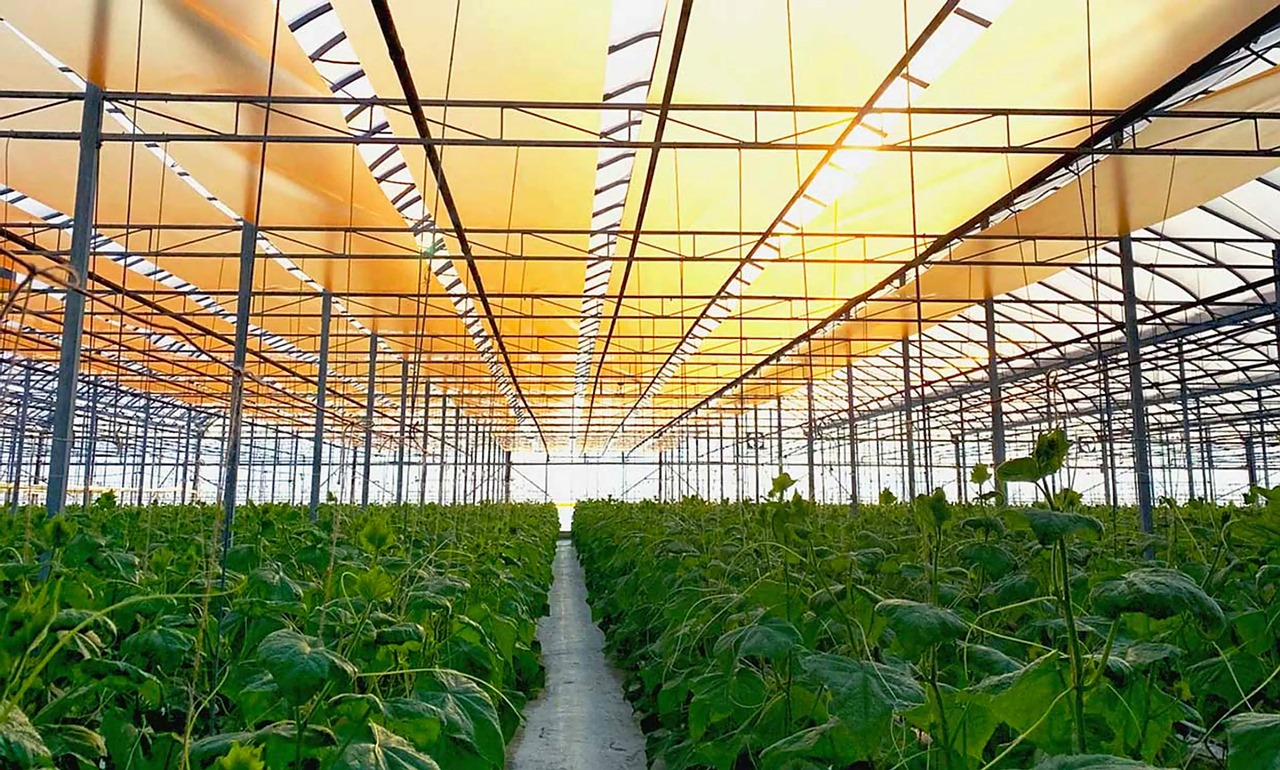
The use of water enriched with SQDs and HPO has several promising applications in agriculture:
- Yield increase: Enhanced photosynthesis efficiency leads to faster and more intensive plant growth, which ultimately increases crop yields.
- Reduced dependence on chemical fertilizers: More efficient energy absorption from sunlight and stimulation of plant metabolism reduce the need for additional growth stimulants and fertilizers.
- Stress resilience: Plants treated with this technology demonstrate better adaptation to adverse conditions such as drought, extreme temperatures, and soil contamination.
- Environmental safety: The use of SQDs and HPO does not produce toxic waste, making this technology environmentally friendly and compatible with sustainable farming practices.
Conclusion
The technology of using water with silicon quantum dots and hydrogen polyoxides represents a new frontier in agriculture, aimed at enhancing photosynthesis efficiency and improving plant resilience. By optimizing light energy utilization and boosting metabolic pathways, plants can better adapt to stress conditions and more efficiently use resources for growth.
The implementation of this technology in agriculture opens up new opportunities for increasing yields, reducing the use of chemical stimulants, and minimizing environmental impact.